What It Actually Takes to Get Booked: A Realistic Guide for Emerging Northeast Artists
Talent gets you noticed. It rarely gets you rebooked. A realistic look at what promoters and artist managers actually check before they say yes.
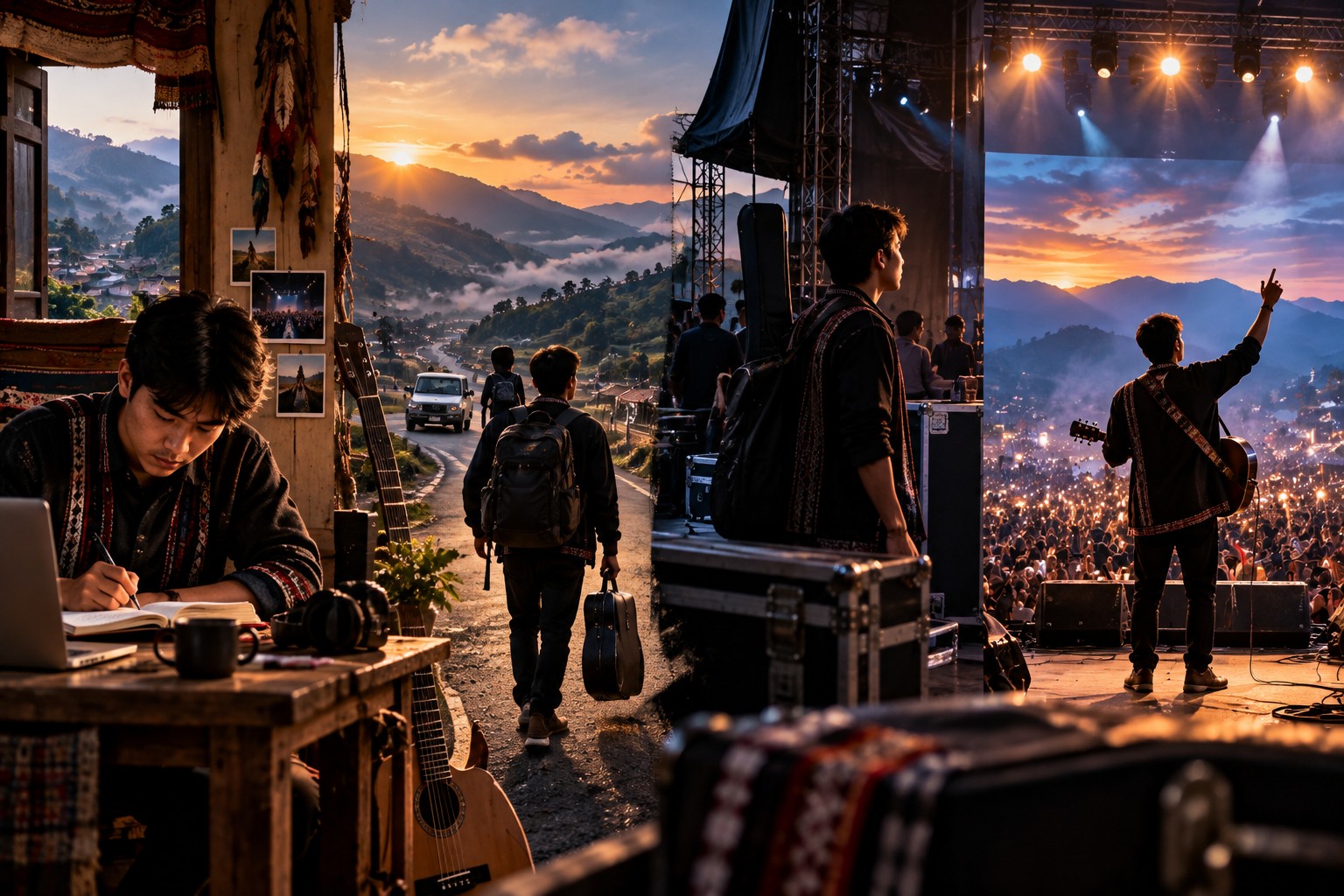
Concretely, that means: A live ready set, not a studio quality recording. Streaming numbers and polished tracks matter for visibility, but a promoter booking a live show wants to know your act translates to a stage tight transitions, a set length you can actually hit, and a plan for what happens if a cable fails five minutes in. Basic professional material. A short artist bio, a stage plot or technical rider, decent live photos or video, and a way to be reached quickly. None of this is glamorous. All of it is what separates "we'll keep you in mind" from "can you do the 15th?" Reliability with people who aren't fans. Sound engineers, venue managers, college fest committees these are the people who actually decide whether you get called again, and their read on you has almost nothing to do with your last release.
Start where the door is already open The instinct for a lot of emerging artists is to chase the biggest stage first. The more reliable path is usually the opposite: build a track record on stages that are easier to get onto college fests, community events, smaller regional shows where organizers are more willing to take a chance on someone unproven, and where a good, professional performance genuinely gets noticed by the people booking the next tier up. This is especially true in a region where the college and university circuit makes up a real share of the total concert calendar. Those stages aren't a consolation prize. They're where a lot of booking relationships actually start.
The gigs you say no to matter too There's a version of career strategy that looks like scarcity, but is actually judgment: turning down a gig that pays badly, mismatches your audience, or would put you on a lineup that dilutes what you're known for. Artists who say yes to everything early often end up harder to place later, promoters remember the show that didn't fit, not just the show that did. None of this replaces having something worth booking in the first place. But two artists with comparable talent don't get comparable careers. The one who's easy to work with, shows up prepared, and treats a college fest with the same seriousness as a festival slot is the one who gets the callback.