Brand Sponsorships at Live Events: What Northeast India's Youth Audiences Actually Respond To
Experiential marketing is booming across India. Here's what actually lands with youth audiences at live events in Northeast India and what doesn't translate from a metro campaign.
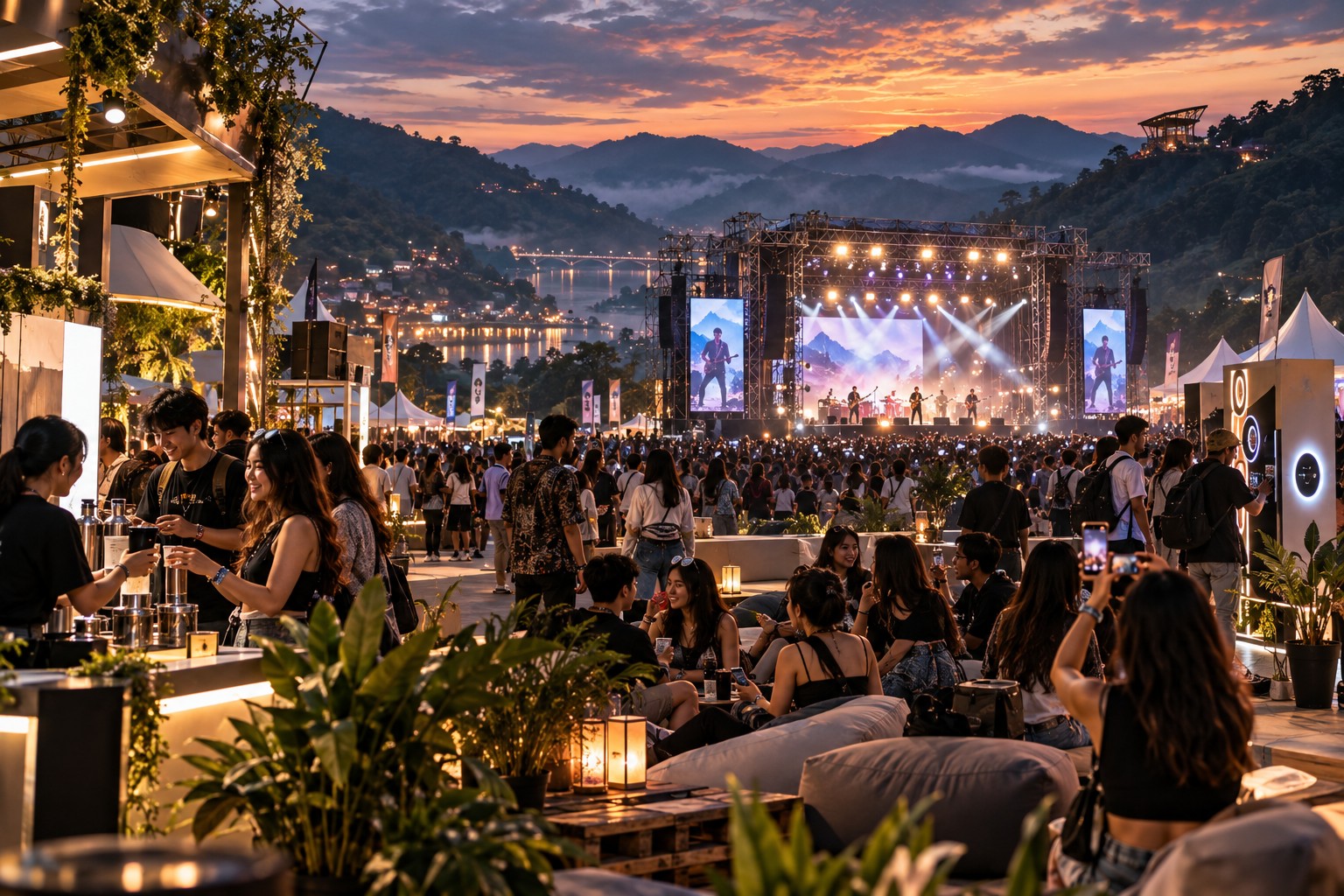
Why a metro playbook doesn't travel cleanly? A brand's first instinct, sponsoring an event in the Northeast for the first time, is often to run the same activation format that worked at a metro festival a branded photo booth, a sampling counter, a logo on the backdrop. It's not that these fail outright. It's that they read as generic in a market where audiences are unusually alert to who's actually engaging with the region versus who's just showing up for reach.
What tends to land better instead: Presence over appearance. A brand that shows up across a season a college fest here, a music festival there, a gaming tournament somewhere else reads as invested. A brand that appears once for a single flashy activation reads as a media buy, and audiences increasingly know the difference. Cultural fluency, not cultural reference. Tying a campaign to a regional festival calendar or a locally significant artist works when it's done with real understanding it reads badly when it's a generic "youth culture" campaign with a regional sticker on it. Co-signing culture instead of interrupting it. The sponsorships people actually remember tend to be the ones that made the event better. Better production quality, an artist who wouldn't otherwise have played that stage, a genuinely useful giveaway rather than the ones that just claimed space at it.
Where esports and campus events fit in: Two categories are becoming disproportionately valuable for brands trying to reach this audience specifically: campus events and esports tournaments. Both offer something a single concert sponsorship can't. A captive, recurring, highly engaged audience across an academic year, at a lower cost per touchpoint than a headline festival slot. A brand willing to commit to a college's event calendar or a regional gaming tournament series often gets more sustained attention than a one-off concert logo placement.
Measuring something that isn't a click: The hardest adjustment for brands moving budget into live events is measurement. Post-event reporting attendance data, audience demographics, content reach from the event itself, brand recall matters more here than in a market where click-through rate is the default metric. Sponsors who ask for that data upfront, and organizers who can actually deliver it, are the ones who turn a single sponsorship into a multi-year partnership. The brands seeing the best results in this market aren't the ones spending the most. They're the ones treating sponsorship as a relationship with a region's culture, not a media placement inside it.