The Hidden Job Market Behind Every Concert: Careers in Live Events You've Never Heard Of
You don't have to be an artist to build a career in entertainment. A look at the real jobs behind every concert and how people actually break into them.
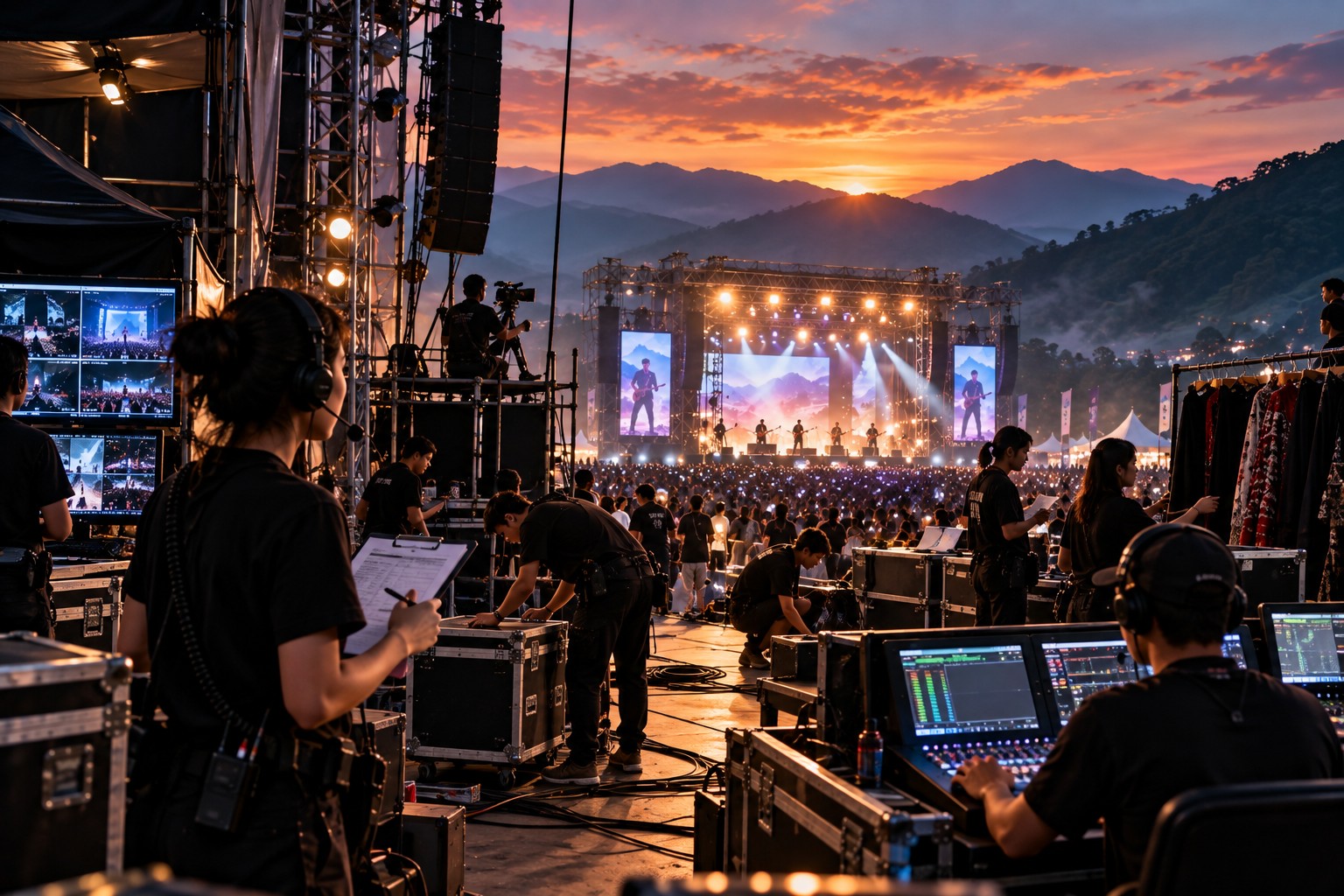
Concept and production planning. Someone has to turn a rough idea an artist, a date, a rough budget into an actual event blueprint: venue logistics, technical requirements, a realistic timeline. This role sits closer to project management than anything creative, and it's one of the most transferable skill sets in the industry. Talent booking and artist liaison. Not glamorous in the way it sounds this is relationship management, contract logistics, and being the point person who makes sure an artist's rider, travel, and schedule are all handled without drama. The night of Production and technical crew. Stage management, sound engineering, lighting design, and the crew coordination that keeps dozens of moving parts on schedule. These are genuinely specialized technical skills, often learned through apprenticeship rather than a formal degree, and they're in consistent demand because a bad night on the technical side is the one thing audiences never forget. Brand and sponsorship coordination. Someone has to make sure a sponsor's activation actually happens the way it was promised signage placed correctly, brand integration woven into the show without disrupting it, and a point of contact the sponsor trusts on the ground. Security and crowd management. Often outsourced, but increasingly a specialized discipline of its own as event scale grows and one of the fastest-growing categories inside the broader events job market as audiences get larger.
After everyone's gone home Promotion and marketing. This job starts long before the show and doesn't end when it does digital campaigns, on-ground promotion, and increasingly, real-time content capture during the event itself to fuel the next one's marketing. Content production. Photography, videography, live streaming, and social content built specifically for an event a growing specialization as more organizers treat every show as content for the next one, not just a one-time gathering.
Post-event reporting and analytics. The most consistently undervalued job in the industry: turning attendance data, audience insight, and sponsor performance into a report that determines whether a sponsor, venue, or artist comes back next time. Organizers who do this well get repeat business; the ones who skip it usually don't know why they don't. How people actually break in Almost nobody in these roles started with a job title that matches what they do now. The most common path is showing up small volunteering for a college fest, assisting on production for a local event, handling social media for one show and being reliable enough to get asked back with more responsibility. Formal event management programs exist and help, but in an industry this relationship-driven, a track record of showing up and doing the unglamorous parts well tends to matter more than a credential. The artist is the reason people buy a ticket. Everyone in this list is the reason the show actually happens.